
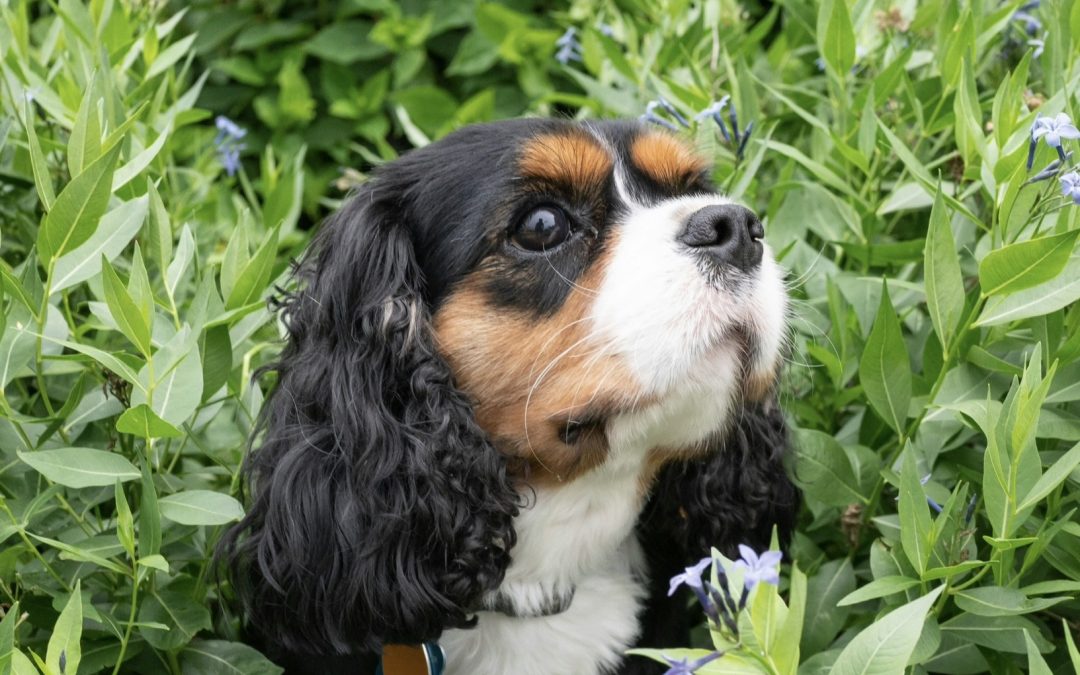
One of the greatest joys of owning a dog is watching them explore the world through their nose. Every walk is an opportunity to discover new scents, investigate interesting places and satisfy their natural curiosity.
But while sniffing is an important part of canine enrichment, it also comes with risks that many owners don’t realise until it’s too late.
Recent BBC News reports have highlighted cases of dogs becoming seriously ill after ingesting harmful substances found during everyday walks, including discarded cannabis and poisonous plants growing in public spaces. These incidents are a reminder that what looks harmless to us can be extremely dangerous for our pets.
Curiosity Can Lead to Trouble
Dogs don’t stop to question whether something is safe before investigating it. A discarded sandwich, an unfamiliar plant or even something hidden in long grass can quickly become a medical emergency.
Some of the hazards owners should be aware of include:
- Toxic garden and wild plants
- Food waste left in parks
- Cannabis or other discarded substances
- Slug pellets, fertilisers and pesticides
- Human medication accidentally dropped outdoors
Many of these dangers are impossible for dogs to recognise, making owner awareness the first line of defence.
Every Dog Explores Differently
Some dogs confidently investigate everything around them, while others may react to unfamiliar environments by sniffing excessively or picking up objects as a way of coping with stress.
This is where understanding your own dog’s behaviour becomes just as important as recognising environmental hazards.
Yellow Dog UK’s campaign encourages people to recognise that not every dog experiences a walk in the same way. Dogs wearing a yellow lead, ribbon or harness may need extra space because they’re nervous, in training, elderly, recovering from surgery or simply feel overwhelmed by busy environments.
Giving these dogs room doesn’t just reduce stressful interactions—it also allows owners to focus on their dog’s behaviour and surroundings without unnecessary distractions.
A Few Simple Habits Can Prevent an Emergency
While no walk is completely risk-free, a few simple habits can make a significant difference.
- Stay aware of what your dog is sniffing.
- Practise a reliable “leave it” cue.
- Keep dogs on a lead where hazards are more likely.
- Learn which plants in your garden and local park are poisonous.
- Contact your vet immediately if you think your dog has swallowed something harmful.
Safer Walks Are a Team Effort
Creating safer walks isn’t only about protecting dogs from traffic or avoiding difficult encounters with other pets.
It’s also about looking out for the hidden hazards that often go unnoticed until something goes wrong.
When dog owners respect each other’s space, remain aware of their surroundings and understand that every dog has different needs, walks become safer and more enjoyable for everyone.
After all, every dog deserves the freedom to explore—but they also deserve owners and communities that help keep those adventures as safe as possible.