
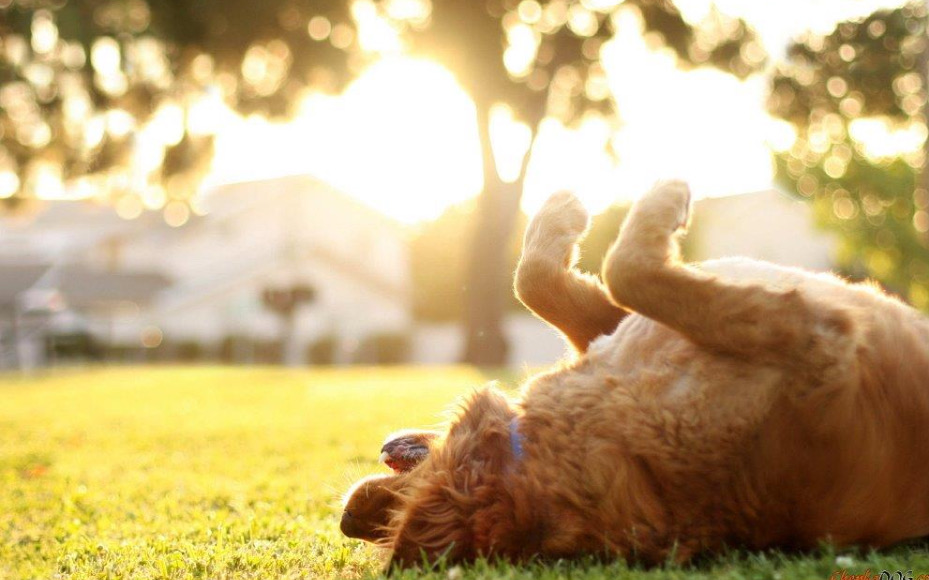
After a long, hot and unusually dry summer, Britain’s weather is beginning to shift. Sunny days and dry parks are being replaced by thunderstorms, heavy rain and sudden downpours.
For dog owners, changing weather brings more than a change of wardrobe. Different conditions can affect how dogs behave, how comfortable they feel outdoors and how owners should approach their daily routines.
This can be particularly important for dogs that are nervous, anxious, reactive or simply prefer to have more space from people and other animals.
From heatwaves to thunderstorms
During periods of extreme heat, dog owners have had to think carefully about when to walk their dogs and whether pavements and outdoor surfaces are safe.
Now, with thunderstorms and heavy rain becoming more common, there are different challenges to consider.
Thunderstorms can be especially unsettling for some dogs. Loud thunder, flashes of lightning, strong winds and changes in atmospheric pressure can all contribute to anxiety. A normally relaxed dog may suddenly hide, pace, bark or even try to escape.
Creating a calm and secure environment at home can help. Closing curtains, reducing outside noise and giving dogs access to a familiar place where they can retreat can make them feel safer.
Most importantly, a frightened dog should never be forced into an interaction or situation that is clearly causing distress.
Why space matters outside
The need for understanding doesn’t stop when the dog leaves the house.
For dogs wearing a yellow ribbon, lead, vest or another yellow marker, the message is simple: please give me space.
Yellow Dog is a global initiative raising awareness that some dogs need additional distance from other dogs and people.
A yellow marker does not necessarily mean that a dog is aggressive or dangerous. They may be nervous, recovering from an experience, elderly, unwell, undergoing training or simply uncomfortable with close interactions.
Changing weather can make respecting that space even more important.
When heavy rain arrives, people often hurry through parks and streets. Dogs may be kept on shorter leads, umbrellas can make it harder for owners to see what is happening around them, and sheltered areas can become unexpectedly busy.
For a dog that already finds close encounters difficult, these situations can quickly become overwhelming.
Adapting the daily routine
As the weather becomes less predictable, dog owners may need to be flexible with their usual routines.
A long walk isn’t always the best option. A shorter walk at a quieter time may be more suitable, while allowing a dog to sniff and explore somewhere calm can sometimes be more valuable than simply covering a certain distance.
And when a thunderstorm is approaching, keeping a particularly anxious dog safely indoors may be the kindest choice.
There is no need to assume that every dog experiences the weather in the same way.
Instead, owners can focus on the individual dog in front of them.
Are they comfortable? Are they becoming overwhelmed? Would giving them more distance make an encounter easier?
These simple observations can help owners make better decisions.
A little understanding goes a long way
Britain’s increasingly unpredictable weather means that responsible dog ownership can require flexibility. The routine that works perfectly on a bright summer day may not be appropriate during extreme heat, heavy rain or thunderstorms.
From scorching pavements to thunderous skies, different weather conditions can present very different challenges for our four-legged companions.
But one thing remains constant: understanding, patience and a little extra space can make the world a more comfortable place for every dog.
And for Yellow Dog, that message is just as important in the rain as it is in the sunshine.