
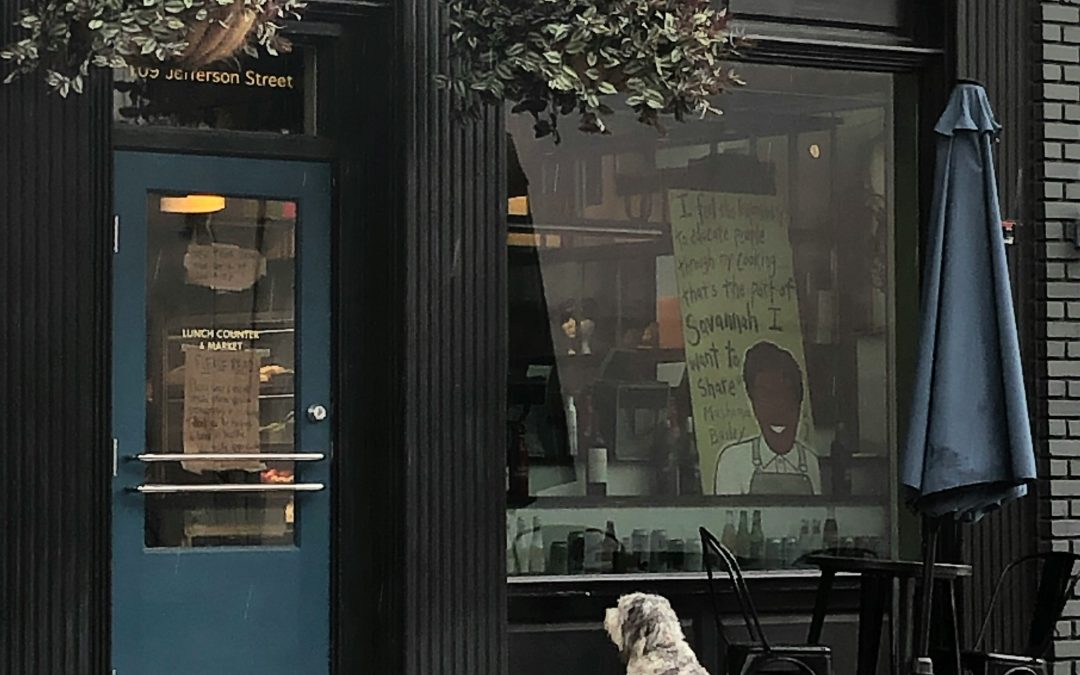
Dog-friendly cafés, pubs, hotels and even airlines have become increasingly popular. Many businesses now provide water bowls, treats and pet-friendly seating to attract dog owners. What once seemed unusual has become part of everyday life.
For many people, dogs are family members. Owners want to include them in daily activities instead of leaving them at home. Businesses have recognised this shift and created spaces that welcome both pets and their owners.
However, an important question often gets overlooked. Are these places designed for every dog, or only for the easiest ones?
Every Dog Has Different Needs
The term “dog-friendly” suggests that all dogs enjoy busy cafés, crowded parks and lively patios. In reality, every dog has a unique personality and different comfort levels.
A confident dog may enjoy meeting new people and other dogs. An older dog with arthritis may struggle on slippery floors or become tired quickly. A rescue dog may feel nervous around strangers because of past experiences. The same environment can feel exciting to one dog and overwhelming to another.
Understanding these differences helps create safer and happier experiences for everyone.
Where Many Dog-Friendly Spaces Fall Short
Many businesses focus on allowing dogs inside, but they do not always think about what happens after they arrive.
Tight spaces between tables make it difficult for dogs to keep a comfortable distance. Shared dog parks rarely separate dogs by size or temperament. Slippery flooring can make walking difficult for senior dogs or those recovering from injuries. Many venues also lack quiet areas where dogs can relax if they become overwhelmed.
These problems are often easy to overlook, but they can make a big difference to a dog’s experience.
Dogs That Often Get Left Behind
Some dogs benefit less from the growing number of dog-friendly spaces.
Senior dogs usually prefer calm environments instead of busy social settings. Rescue dogs often need extra space while they build confidence. Dogs that are deaf or blind rely on routine and predictable surroundings. Loud, crowded spaces can make them feel anxious.
Some breeds also face unfair judgement before anyone gets to know them. Pit Bulls, Rottweilers and Dobermans often experience this despite many being gentle and well-trained companions.
Dog-friendly spaces should welcome all dogs, not only those that enjoy constant interaction.
A Simple Way to Help
One organisation working to improve public awareness is Yellow Dog UK.
The charity promotes the idea of “Yellow Dogs.” These dogs may feel nervous, recover from surgery, complete training or simply need more personal space.
A yellow ribbon, lead, vest or bandana tells others that the dog needs extra room. It does not mean the dog is dangerous. Instead, it helps owners communicate their dog’s needs without awkward conversations.
When more people understand this simple signal, everyone benefits. Owners feel supported, dogs experience less stress and other visitors know when to give a dog space.
Building Better Dog-Friendly Spaces
Dog-friendly spaces should do more than allow dogs through the door. They should also support different ages, personalities and abilities.
Simple improvements can make a real difference. Businesses can provide quiet corners, improve layouts and encourage awareness of campaigns such as Yellow Dog UK.
As more venues welcome dogs, they also have an opportunity to create spaces where every dog feels safe and comfortable. That is what being truly dog-friendly should mean.