
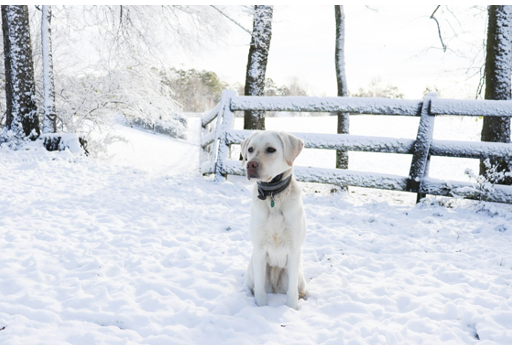
Winter walks can be magical — crisp air, fresh snow, and plenty of new smells for your dog. But when temperatures drop, many owners wonder: when is it too cold to walk your dog in the snow?
The answer depends on your dog, the weather conditions, and how prepared you are. Here’s what you need to know to keep winter walks fun and safe.
Do All Dogs Enjoy Snow Walks?
Not all dogs react the same way to snow. Some take one look outside and head straight back to their warm bed. Others can’t wait to get out, rolling around and soaking up every second of the frosty fun.
Even sensitive dogs, including those supported by Yellow Dog UK, can benefit from winter walks. Snowy environments can sometimes help dogs focus more on the experience itself rather than potential triggers like other dogs, people, or unfamiliar situations.
That said, enjoyment should never come at the expense of safety.
When Is It Too Cold to Walk Your Dog?
If the weather feels extreme for you, it’s likely too extreme for your dog as well. Wind chill, ice, and very low temperatures can quickly become uncomfortable — and even dangerous.
On cold but calm winter days, a short walk of around 20 minutes is usually enough. Sunny, less windy conditions are ideal, allowing your dog to enjoy the outdoors without overexposure to the cold.
How to Walk Your Dog Safely in Snowy Weather
Winter walks require a little extra planning. These simple precautions can make all the difference:
- Keep your dog close, ideally on a lead, to prevent them from running off or getting lost in snowy conditions.
- Avoid salted pavements and paths. Road salt can irritate and damage your dog’s paws.
- Dress your dog appropriately. A well-fitted jumper or vest helps retain warmth and stops snow from clinging to their fur.
- Stay away from frozen lakes and rivers. Even if they look solid, they may not be safe.
- Choose safe routes where you can control how far and how long you walk.
Being in charge of the route and duration ensures your dog doesn’t push themselves beyond what’s comfortable.
After the Walk: Essential Winter Care
Once you’re back home or in the car, winter care doesn’t stop:
- Remove any wet or cold clothing immediately
- Dry your dog thoroughly, especially their paws
- Check for ice buildup or irritation between toes
- Offer fresh water and allow them to warm up comfortably
These steps help prevent chills and protect your dog’s skin and paws during colder months.
Enjoy Winter Walks — In Moderation
Snowy walks can be exciting, stimulating, and beneficial for your dog’s energy and senses. New smells, textures, and experiences make winter outings enriching — when done sensibly.
As with most things, moderation is key. Short, well-managed walks keep winter fun without unnecessary risk.
With the right precautions, you and your dog can enjoy the season safely and confidently.